
Ham Radio
One of my hobbies is ham/amateur radio. On this page, you’ll find a lot of cool things I have done and useful resources relating to ham radio that I have found and collected over time.
Quick Links
A little info about my ham radio journey:
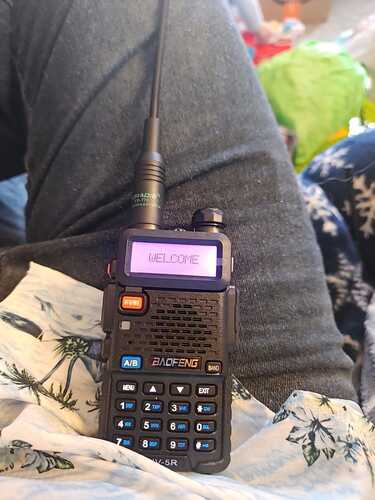
Having an interest in electronics, ham radio has always seemed interesting to me. My wife gave me an excuse to dive into the world of ham radio when she got me a Baofeng UV-5R radio for Christmas 2025. Mind you, I didn’t have a license, so I couldn’t transmit, but I sure had a fun time learning about repeaters and listening into other’s transmissions.
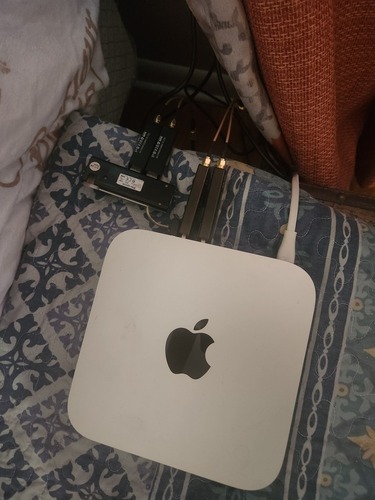
After this, I got into using SDR radio, four of them, actually. I used them to peruse the ham airwaves with SDR++ as well as using SDRTrunk to listen to local and statewide trunked P25 radio. This was really fun and once again a great learning experience in radio.
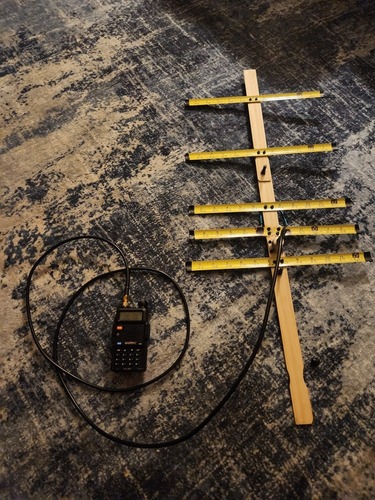
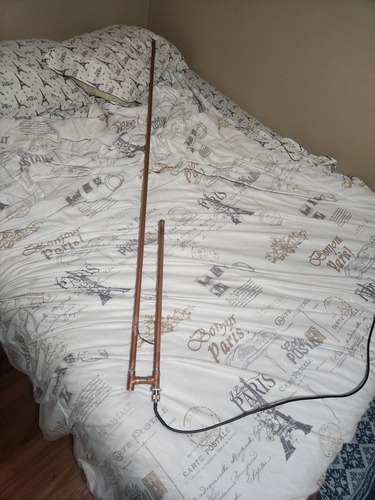
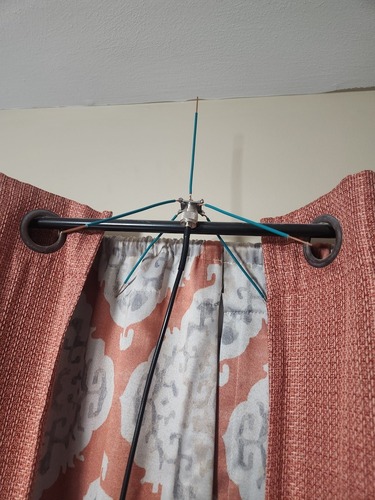
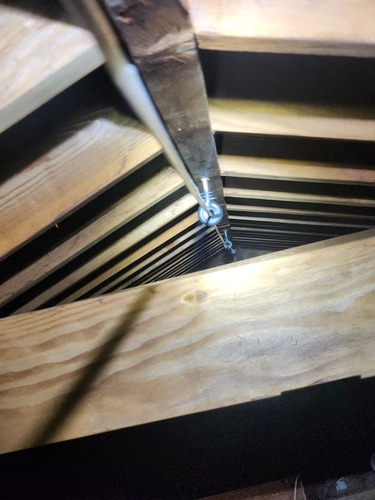
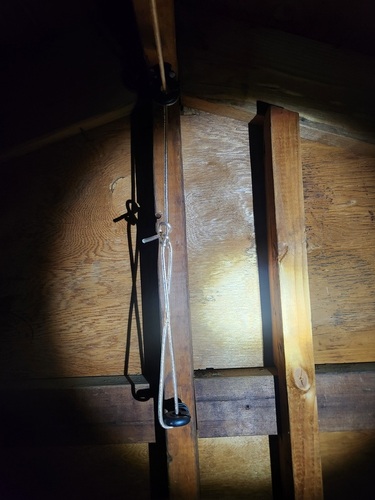
After this, I experimented with building a few different DIY antennas. A tape measure Yagi-Uda, copper pipe 2m/70cm J-pole, 70cm ground plane, and a 20/40m attic wire dipole. That last one may have been one of the simplest constructions, but definitely the biggest pain to install, with a lot of crawling around in a cramped, hot attic.
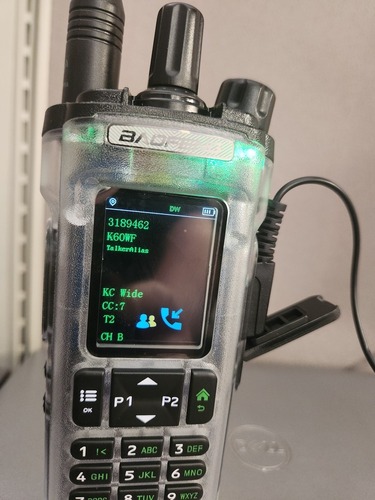
The next radio I purchased for myself after this was another Baofeng, the DM-32UV. I noticed that there were some DMR repeaters in my area, and that they seemed to be a lot more active the the regular FM repeaters in the area, so this was a natural choice.
After I got a bit of experience with receiving, I knew I was bitten by the ham radio bug! I started studying for the FCC amateur radio licensure exam so that I could finally transmit. At the same time, I started studying CW operation, otherwise know as Morse code. The FCC no longer requires Morse code proficiency, however I still wanted to learn it for the novelty and challenge of it. Turns out, I’m pretty good at it after some practice, and I really enjoy it too. You can check out some of my favorite learning and practice resources on my CW/Morse Code Resources page.
I decided that I would study and test for the first two tests that the FCC offers, the Technician and General licenses a the same time. Most of the time, I would quiz myself using the HamStudy app. It provides the official FCC question banks for each exam, as well as tips explaining each answer and tips for remembering them. You can also take practice exams, which I used to check my readiness for the actual test.
On Sunday, April 26th, 2026, I took my test at K-State Hale Library, with members of the MAARS club serving as my VEs. I easily passed the Technician exam with a 100%, passed the General exam missing only 3 questions, and even tried my hand at the Amateur Extra exam (why not?), but was not close enough to pass. This was expected though; the Amateur Extra exam is much more complex, with more difficult questions, a larger bank of questions, and more questions on the exam itself (50 vs the 35 on Tech and General), and I had not studied for this exam at all. Overall though, I got what I expected and eagerly awaited further communication from the FCC.
Surprisingly, the very next day, on Monday, April 27th, I received and email from the FCC asking me to pay my $35 licensing fee. I did so without delay. Then, the very next day, on Tuesday, I received an email from the FCC: my application had been approved! My callsign had been assigned as well: KFØYGA.
I have since hit up a few local repeaters, and attempted to talk to some of my ham friends on VHF. Nothing too exciting, but it’s what I can manage with my current gear. Now I just need to get an HF rig and antennas and I can chat with the world!
Page last updated: Monday, June 15, 2026 at 04:59:40 PM CDT